Before the run
Daily suggested workouts and training prompts reduce the blank-page feeling, while the bright touchscreen keeps setup approachable.

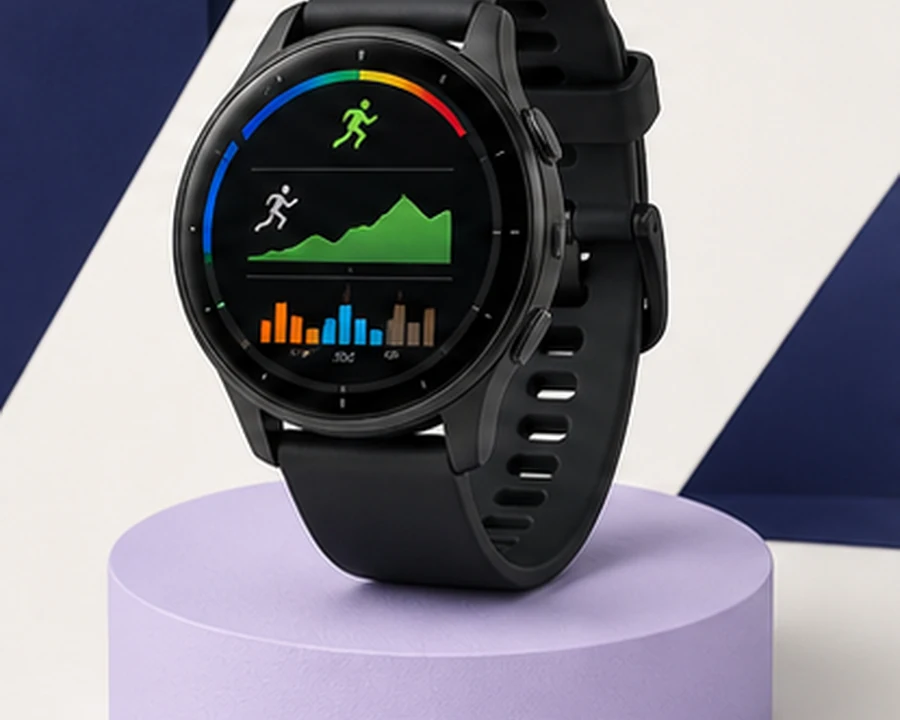
A light, approachable running watch that gives developing runners useful guidance without the bulk and feature overload of a top-tier multisport model.
Independent editorial rating
$249.99Affiliate link · verify current terms on the official siteA practical score supported by the reasoning below.
Product Review
Focused GPS running watch
A light, approachable running watch that gives developing runners useful guidance without the bulk and feature overload of a top-tier multisport model.
New and intermediate runners who want an AMOLED GPS watch, structured workouts and recovery context in a 39g design.
You need advanced multisport analytics, mapping, very long expedition battery life or prefer a platform-neutral smartwatch experience.
We examine how the product or project enters a real routine, not only how it reads on a specification sheet.
Daily suggested workouts and training prompts reduce the blank-page feeling, while the bright touchscreen keeps setup approachable.
Physical buttons remain useful with sweat or gloves; GPS-only battery is stated up to 19 hours for ordinary training and race distances.
Sleep, recovery and Body Battery-style signals add context, but they are estimates rather than diagnoses and work best when worn consistently.
Check the official site for the latest price, availability and current terms before buying.
Makes structured running easier to sustain.
Light and clear rather than luxurious.
Charging is easy; the data ecosystem is dense.
Strong when training tools are used regularly.
The watch becomes more useful with consistent wear and thoughtful metric selection. Disable alerts you do not need and treat wellness estimates as context, not medical measurement.
Garmin Forerunner 55 is simpler and cheaper; higher Forerunner models add deeper training and multisport tools for athletes who know they need them.
Performance, ownership, value, alternatives and the reasoning behind our recommendation.
This is an independent, research-led review of Garmin Forerunner 165. We use official specifications and product documentation, then interpret those facts around realistic ownership scenarios. We did not accept payment to change the score. Always confirm the exact variant, regional terms, safety guidance, price and availability on the official site.
A light, approachable running watch that gives developing runners useful guidance without the bulk and feature overload of a top-tier multisport model. Our 4.8/5 editorial score reflects the complete buying decision: the practical benefits, setup and ownership effort, limitations, value and the quality of the alternatives. The score is high because the product has a clear, credible use case; it is not a promise that the product suits every person.
Buy for focused run training and a bright everyday display; move up only when a specific advanced feature is already part of your plan. The most important step is matching the product to the routine described in the ?best for? guidance rather than treating the score as a universal ranking.
Our review starts with the decision a buyer is trying to make. We separate published specifications from editorial interpretation, examine where the product enters a normal day, identify recurring ownership work and compare the purchase with a reasonable alternative path. The official references checked for this article include Garmin official product page Garmin official specifications. Specifications can vary by market or product variant, so the source links below remain the final place to confirm a purchase.
The Forerunner 165 balances a bright AMOLED screen, a light 39g case and dedicated running guidance. Buttons help during movement while the touchscreen keeps everyday navigation familiar. The trade-off is a deeper metric and menu system that rewards setup time rather than instant mastery.
A light, approachable running watch that gives developing runners useful guidance without the bulk and feature overload of a top-tier multisport model. In practical terms, design quality is not only about appearance. It includes how quickly the product can be prepared, whether controls or physical elements are understandable, how easy it is to store, and whether a second household member can use it without repeating the entire learning process.
The design should also be judged against frequency. A small inconvenience may be irrelevant for monthly use but become irritating every morning. Conversely, a deliberate learning curve can be worthwhile when it unlocks a more dependable result. Our usability score therefore rewards clear purpose and consistent operation more than novelty.
Daily suggested workouts and training prompts reduce the blank-page feeling, while the bright touchscreen keeps setup approachable. This moment matters because it exposes setup effort, repeatability and the small compromises that are easy to miss on a product page. A good fit should reduce friction after the first week, not merely create a strong first impression.
Physical buttons remain useful with sweat or gloves; GPS-only battery is stated up to 19 hours for ordinary training and race distances. This moment matters because it exposes setup effort, repeatability and the small compromises that are easy to miss on a product page. A good fit should reduce friction after the first week, not merely create a strong first impression.
Sleep, recovery and Body Battery-style signals add context, but they are estimates rather than diagnoses and work best when worn consistently. This moment matters because it exposes setup effort, repeatability and the small compromises that are easy to miss on a product page. A good fit should reduce friction after the first week, not merely create a strong first impression.
These specifications are useful boundaries, not a substitute for context. Dimensions and weight influence storage and portability; materials affect care; battery or power information changes planning; included accessories alter the real starting cost. Buyers should compare the exact listing they intend to purchase because color, bundle, size or regional versions may differ.
The strengths work together. A feature is most valuable when it removes a repeat problem, remains understandable and does not create disproportionate maintenance. That is why this review gives more weight to repeatable usefulness than to the length of the feature list.
None of these limitations automatically makes the product a poor choice. They define the boundary of the recommendation. A limitation becomes decisive when it conflicts with the buyer?s main use case, budget, physical space, comfort or willingness to maintain the product. This is also where return policies and exact variant information deserve attention.
The watch offers its best value to runners who will use structured workouts, GPS records and recovery context consistently. Advanced multisport users, map-dependent adventurers or buyers focused mainly on smartwatch apps should compare a different tier before committing.
Before buying, calculate the complete first-year picture: the product, required accessories or consumables, storage needs, replacement parts where relevant, and the time required to learn or maintain it. Then compare that total with how often the intended benefit will actually be used. This approach is more reliable than choosing the lowest ticket price or the longest specification list.
New and intermediate runners who want an AMOLED GPS watch, structured workouts and recovery context in a 39g design. This audience is likely to use the product?s strongest features often enough to justify both the purchase price and the ownership routine. Buyers in this group should still verify the exact model, included items and regional support before checkout.
You need advanced multisport analytics, mapping, very long expedition battery life or prefer a platform-neutral smartwatch experience. Skipping does not mean the product is low quality; it means a different design or a simpler solution is more likely to solve the actual problem with less cost or friction.
The watch becomes more useful with consistent wear and thoughtful metric selection. Disable alerts you do not need and treat wellness estimates as context, not medical measurement. Long-term satisfaction usually depends on these ordinary details. Save the receipt, review the warranty and return terms, follow official care and safety guidance, and keep model-specific accessories together. A short setup checklist can prevent the product from becoming an unused purchase after the first few weeks.
We also recommend reassessing the fit after several normal uses. If the main benefit is not appearing, first check setup and the official instructions. If the mismatch is structural?comfort, size, workflow, compatibility or required effort?use the return window rather than forcing the product into a routine it does not suit.
Garmin Forerunner 55 is simpler and cheaper; higher Forerunner models add deeper training and multisport tools for athletes who know they need them. Compare alternatives on the same practical criteria used here: the main outcome, setup time, repeat effort, total ownership cost, compatibility, storage and the consequences of choosing the wrong variant. Avoid comparing only one headline feature.
A useful shortlist contains three options: this product, a simpler or less expensive route, and a more specialized route. That structure reveals whether the reviewed product is the balanced choice or merely the most visible one. It also makes it easier to explain which compromise you are willing to accept.
It is worth considering when your routine matches the ?best for? profile, the listed limitations are acceptable and the complete ownership cost fits your budget. The 4.8/5 score supports that use case rather than every possible buyer.
Confirm the exact model or variant, dimensions, included accessories, compatibility, current price, delivery region, return window, warranty and any safety or care instructions. Use the official sources linked in this review for the latest terms.
The strongest reason is a mismatch with the core routine: You need advanced multisport analytics, mapping, very long expedition battery life or prefer a platform-neutral smartwatch experience.. In that case, a lower score is not the issue; a different product category or design is.
Garmin Forerunner 165 earns 4.8/5 and a BUY recommendation. Buy for focused run training and a bright everyday display; move up only when a specific advanced feature is already part of your plan. Use the score as the beginning of the decision, then check the strengths, trade-offs and official details that apply to your exact situation.
Product facts and official references used for this independent review.
 4.8/5★
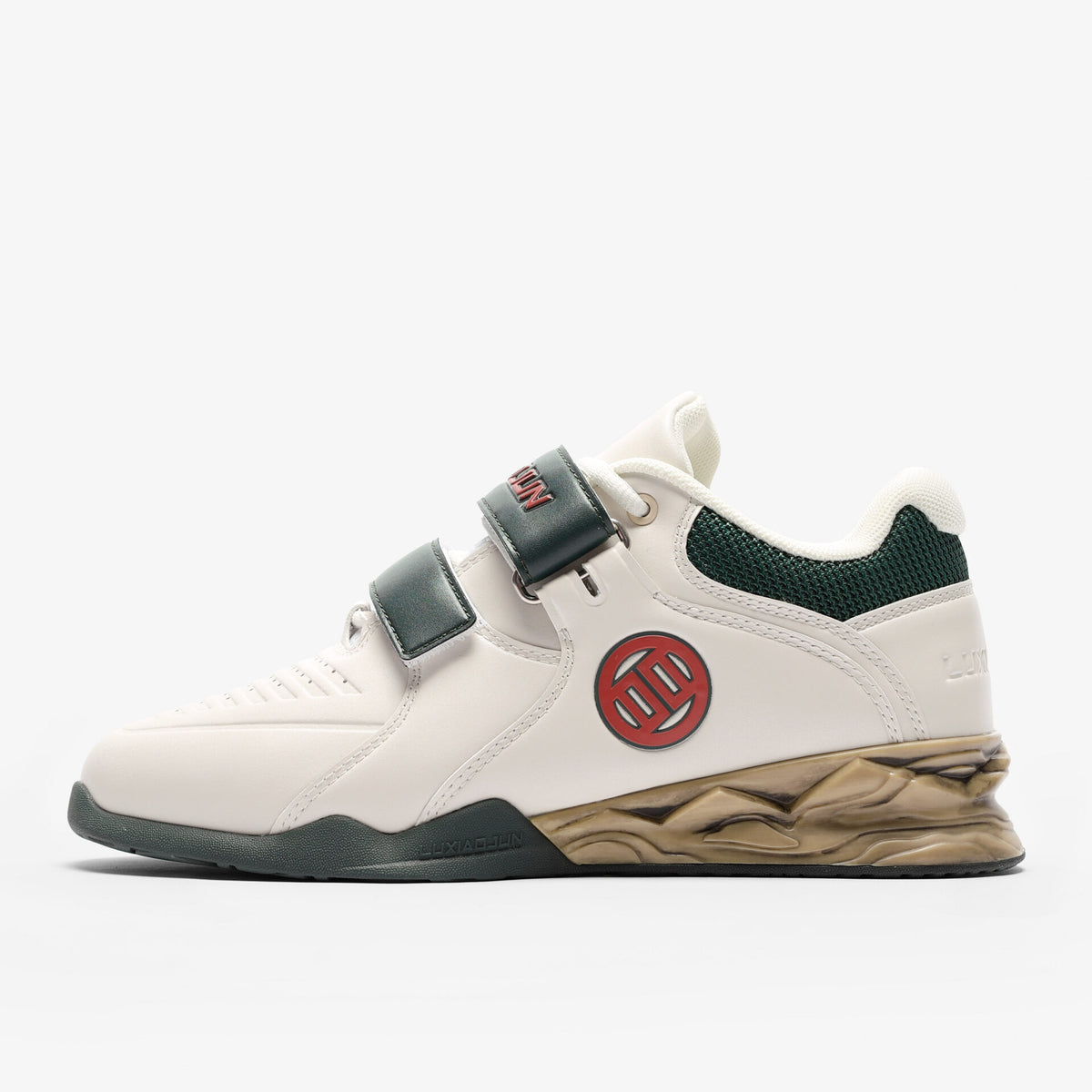
A technically focused lifting brand with clear footwear roles and useful support gear, provided fit is treated as the first specification.
 4.8/5★
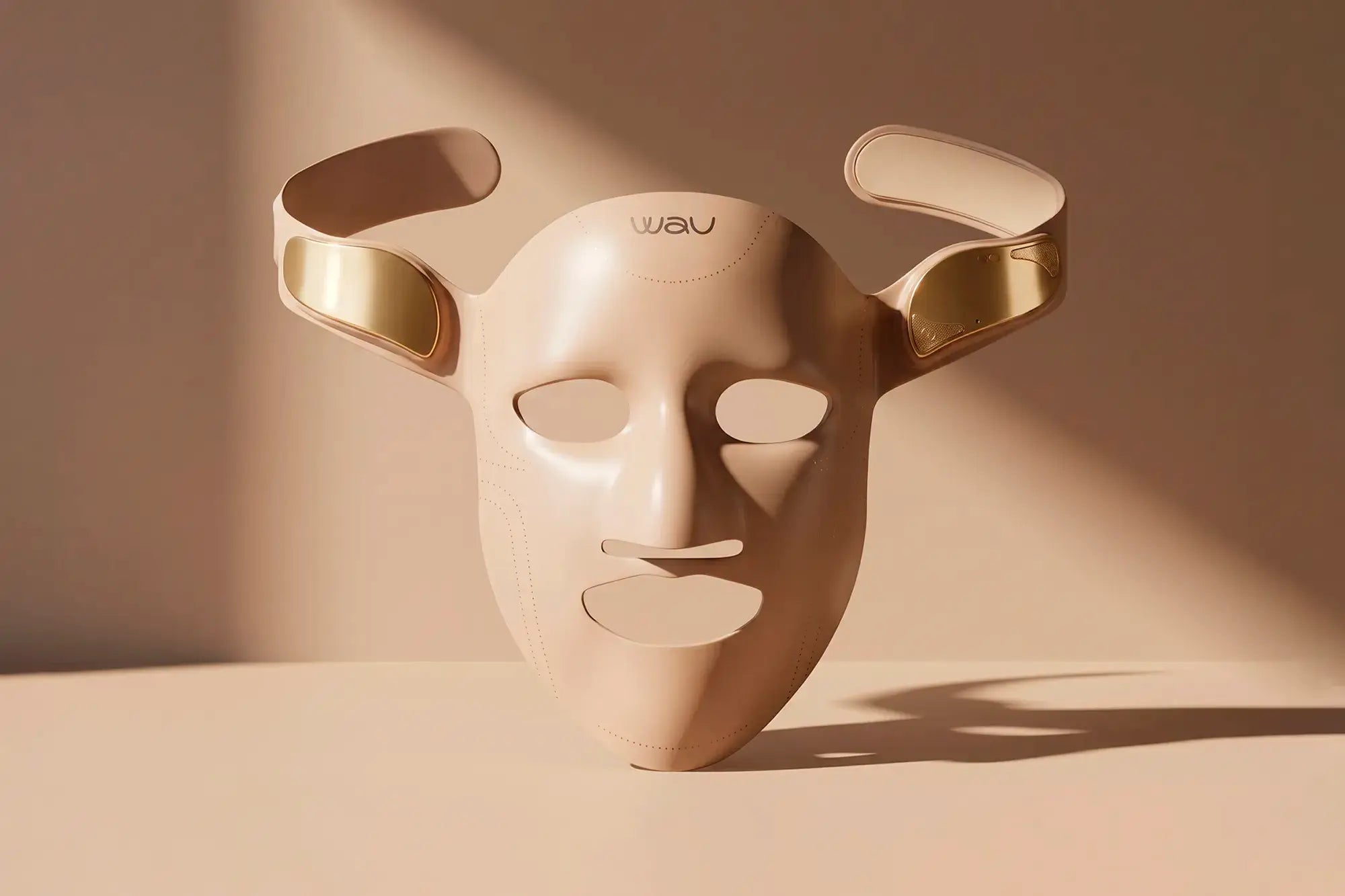
A wide personal-care device catalog that rewards careful use-case selection, safety checks and consistent routines.
 4.9/5★
A broad, well-priced handheld accessory ecosystem that works best when compatibility is checked before features.